Porto›Amarante›Guimaraes›Chaves›Monforte de Lemos and Ribeira Sacra›Lugo›La Coruna›Santiago de Compostela›Vigo›Viana do Castelo
Reiseroute
Tag 1 — Porto
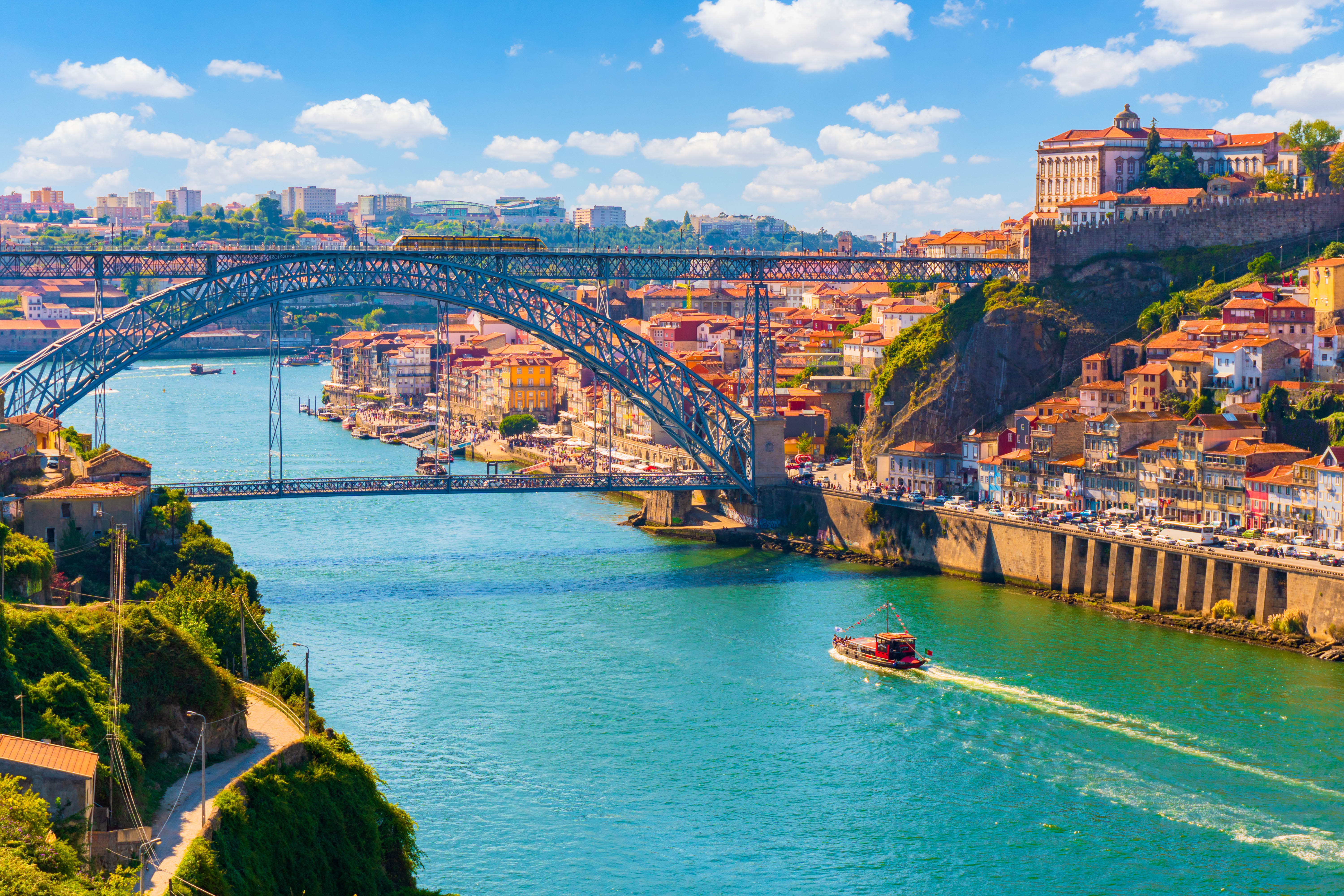
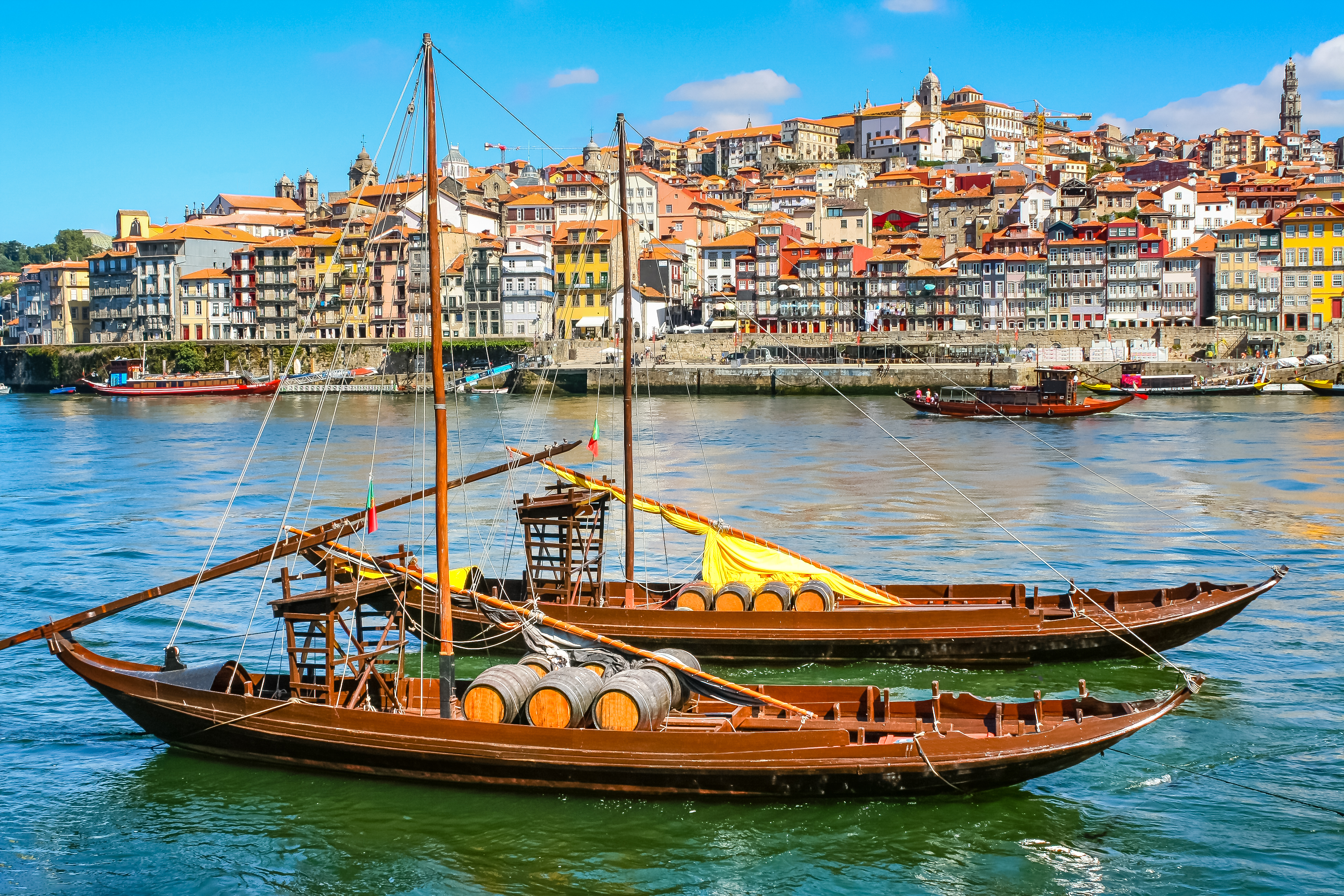
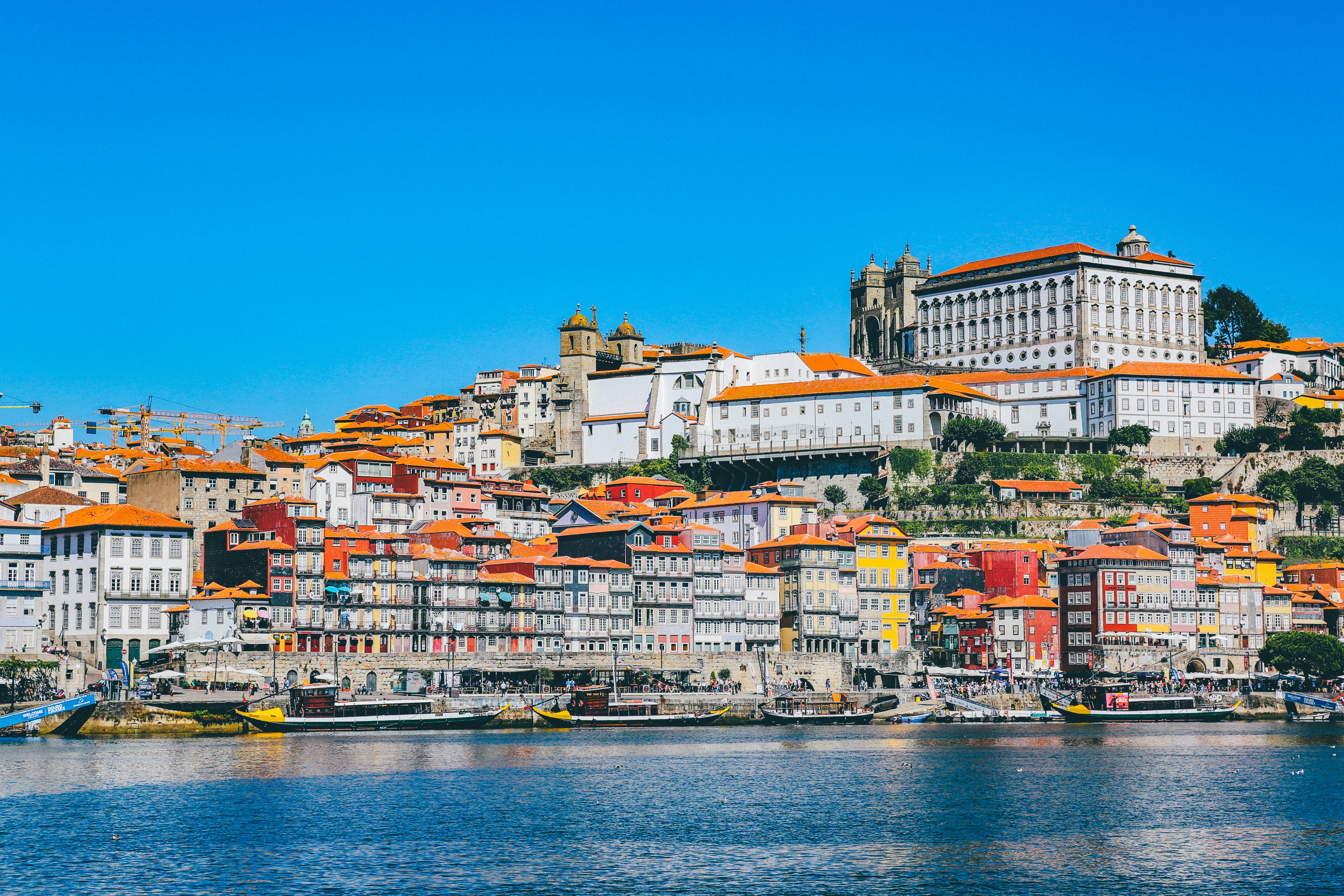
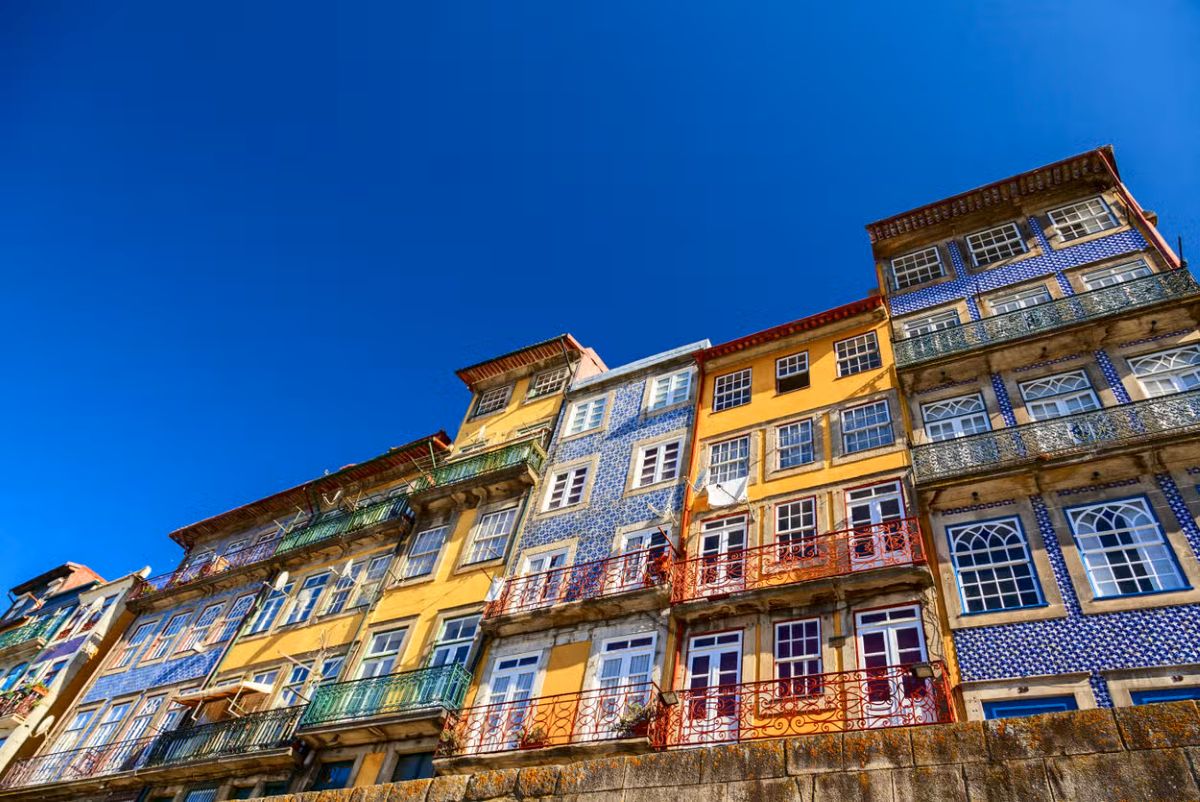
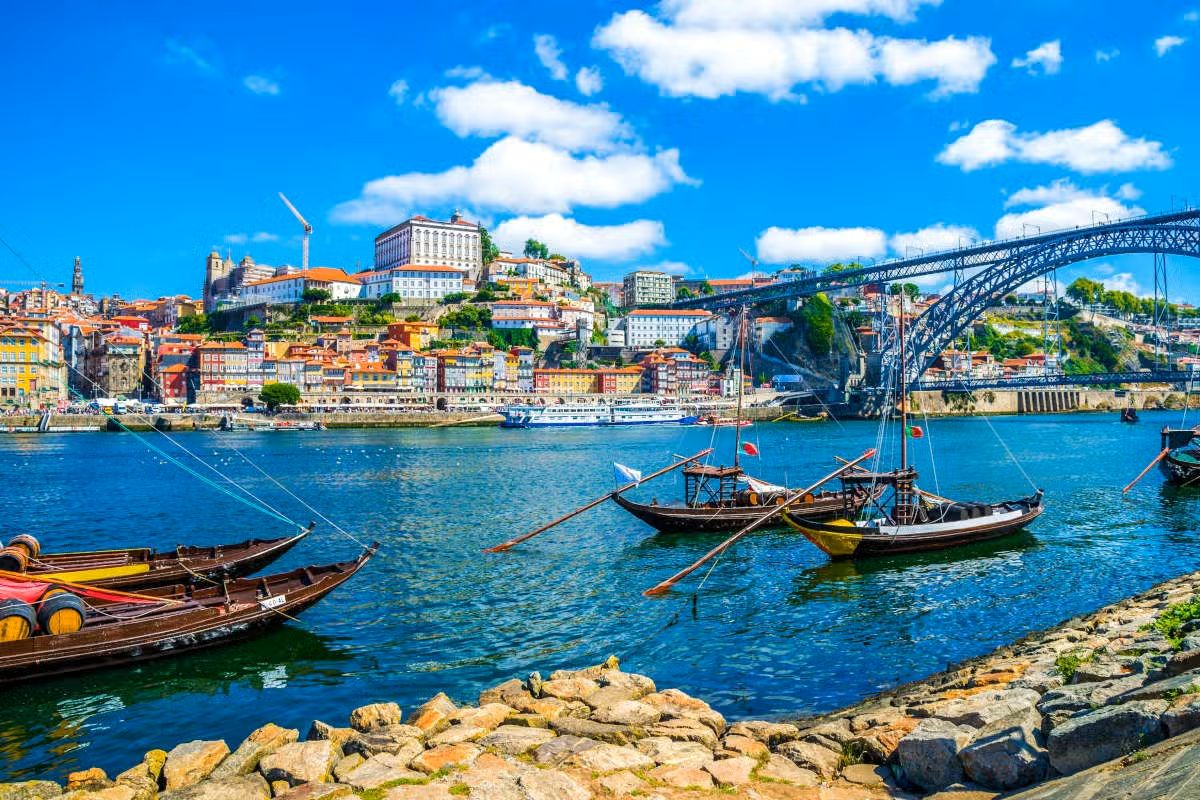
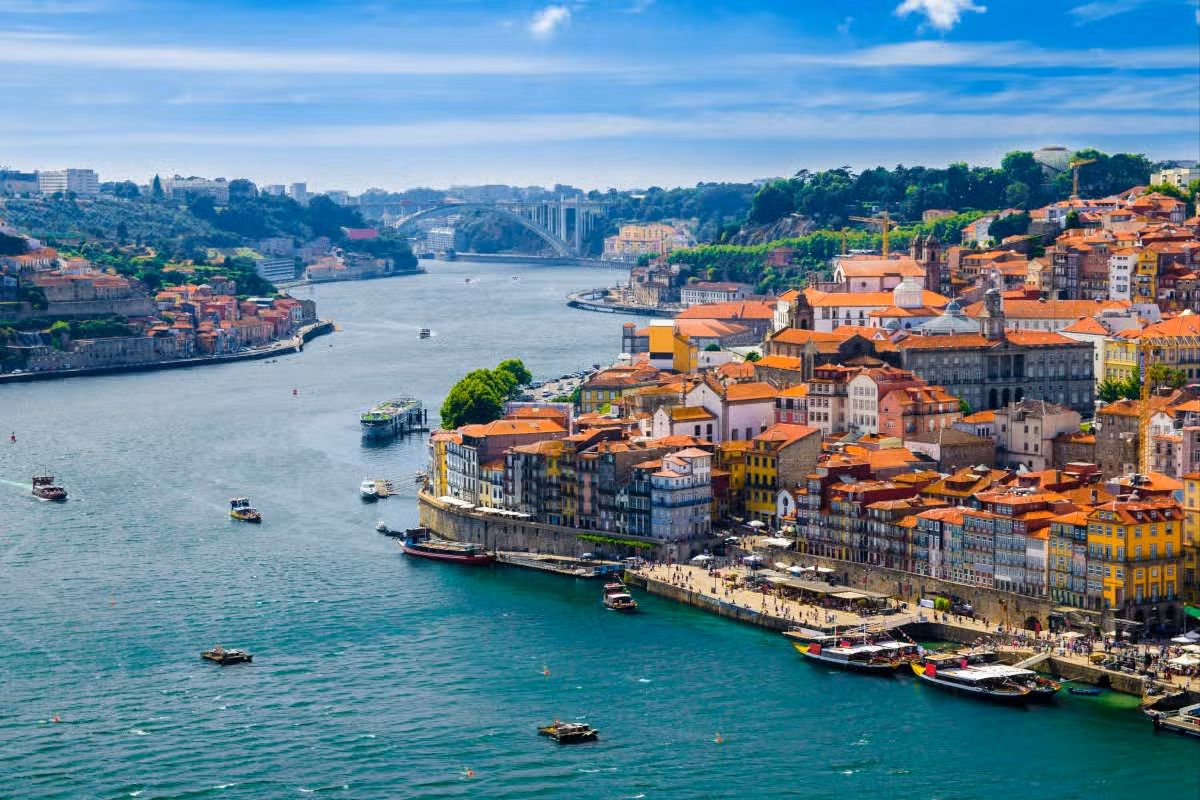
Porto ist ein echtes Postkartenmotiv Portugals, wo Geschichte und Gegenwart auf originelle Weise miteinander verschmelzen. Weltweit berühmt für seinen Wein und sein kulturelles Erbe, bietet die Stadt eine dynamische Atmosphäre, die jeden Besucher in ihren Bann zieht. Die Altstadt, UNESCO-Weltkulturerbe, lädt dazu ein, sich in engen Gassen zu verlieren, die eindrucksvollen Azulejos zu bewundern und symbolträchtige Monumente wie den Torre dos Clérigos, die Kathedrale von Porto und den Bahnhof São Bento zu entdecken, der für seine außergewöhnlichen Kacheltafeln bekannt ist, die die Geschichte Portugals erzählen. Die Ufer des Douro bieten eines der charakteristischsten Stadtbilder, mit dem Viertel Ribeira voller typischer Restaurants und lebhafter Terrassen mit Blick auf die berühmten Portweinkeller von Vila Nova de Gaia. Die Überquerung der Brücke Dom Luís I ist ein absolutes Muss und schenkt spektakuläre Panoramablicke auf Porto und den Douro. Porto ist auch ein kulturelles und kreatives Zentrum, Heimat bedeutender Museen und Galerien wie der Stiftung Serralves, der Casa da Música und dem Nationalmuseum Soares dos Reis. Seine lebendige Gastronomie ist ein weiteres Markenzeichen, wobei die Francesinha als emblematisches Gericht der Stadt hervorsticht, idealerweise zu genießen mit einem Glas Portwein oder einem Craft-Bier.
Mit einem reichen Angebot an Veranstaltungen, traditionellen Märkten und einem pulsierenden Nachtleben vereint Porto Authentizität und Innovation auf perfekte Weise und zählt damit zu den gefragtesten europäischen Reisezielen für Tourismus und Freizeit.
Auto
Tag 3 — Porto → Amarante → Guimaraes
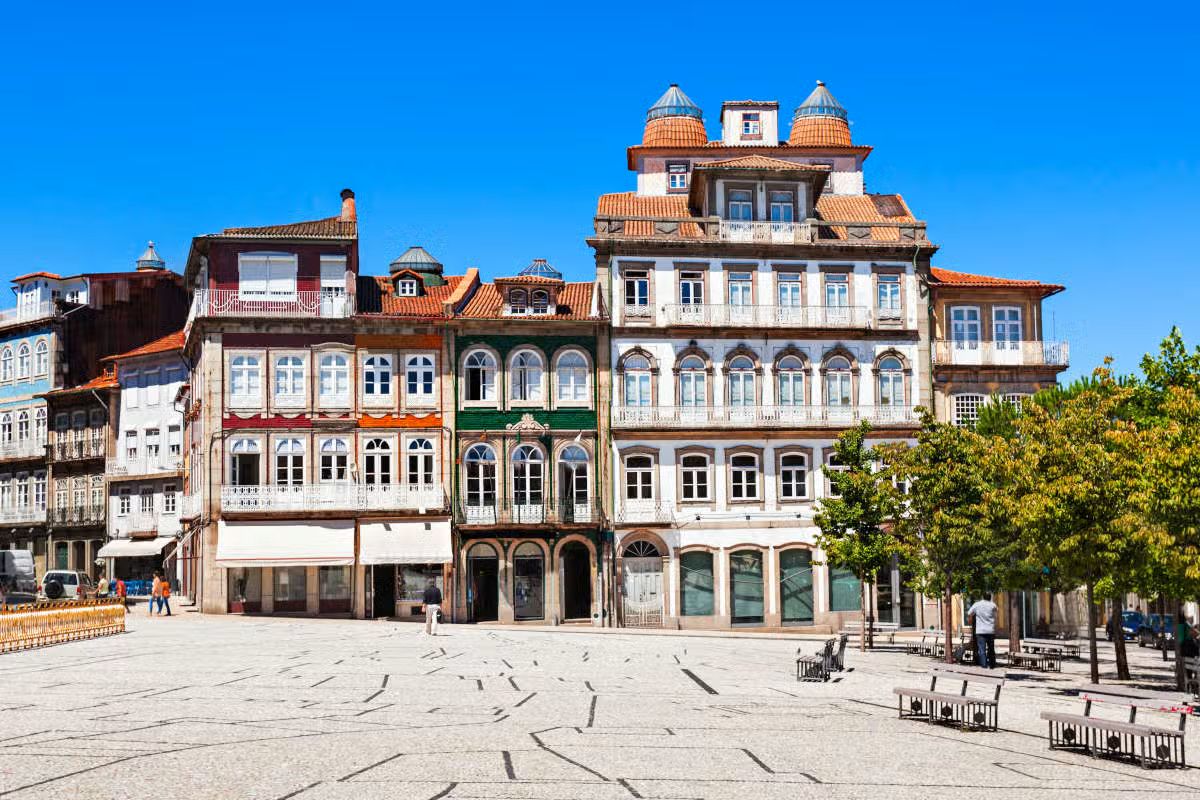
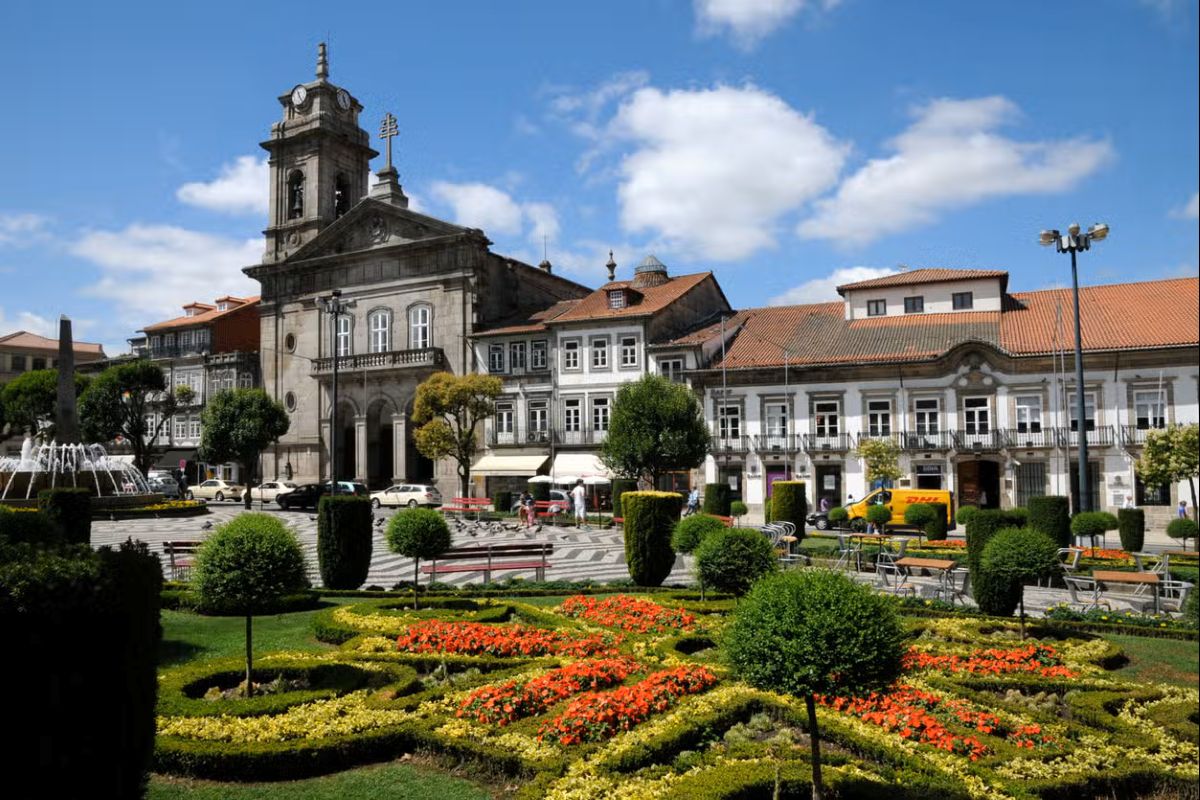
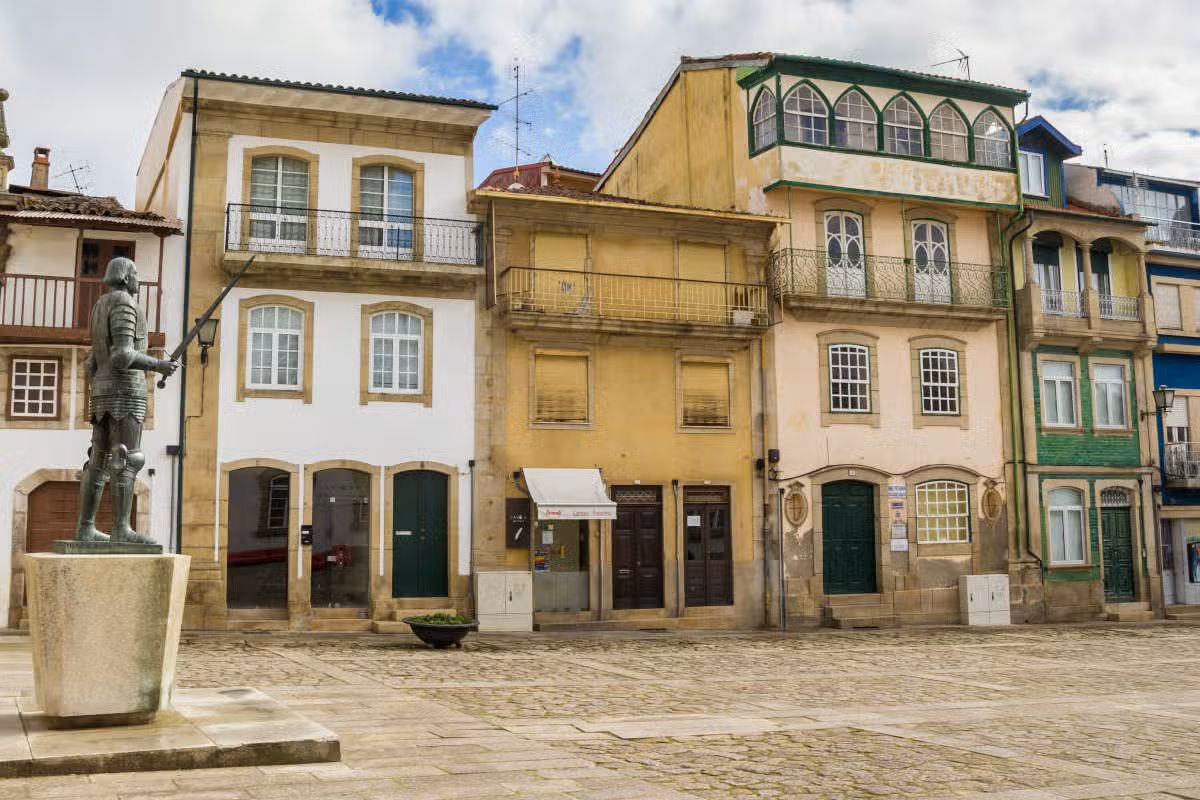
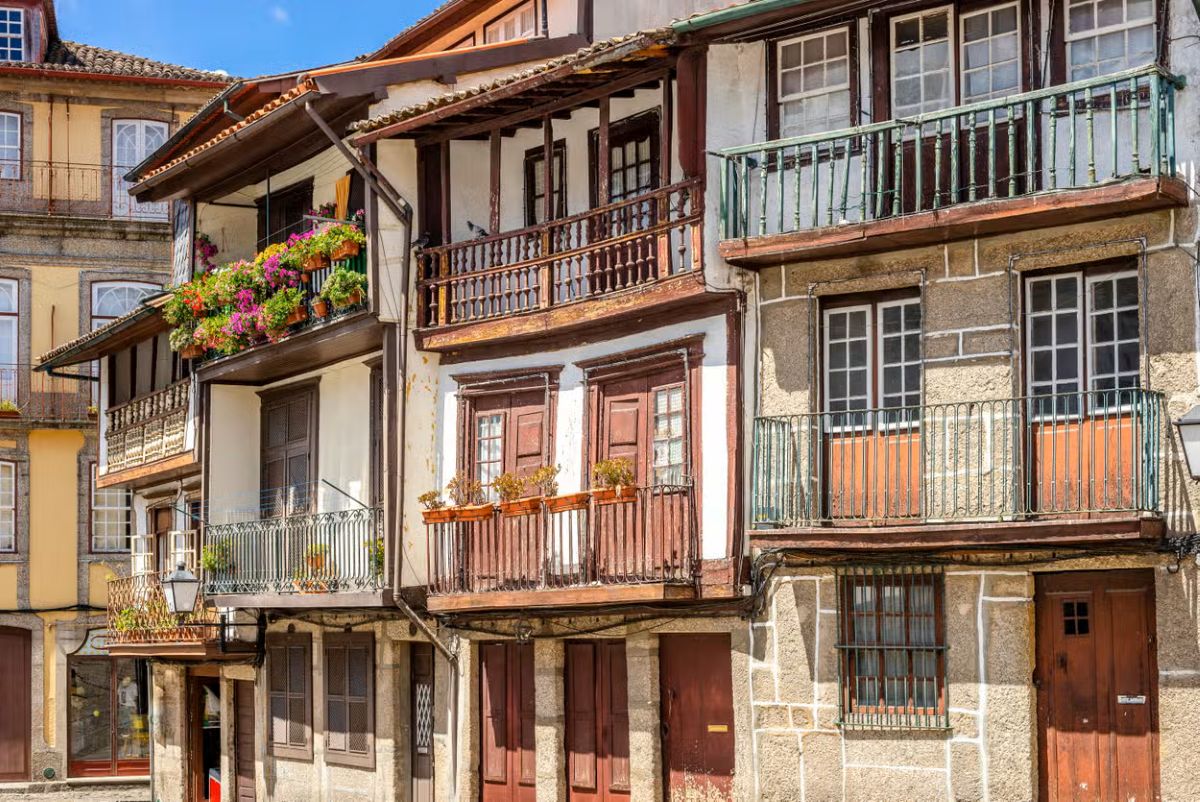
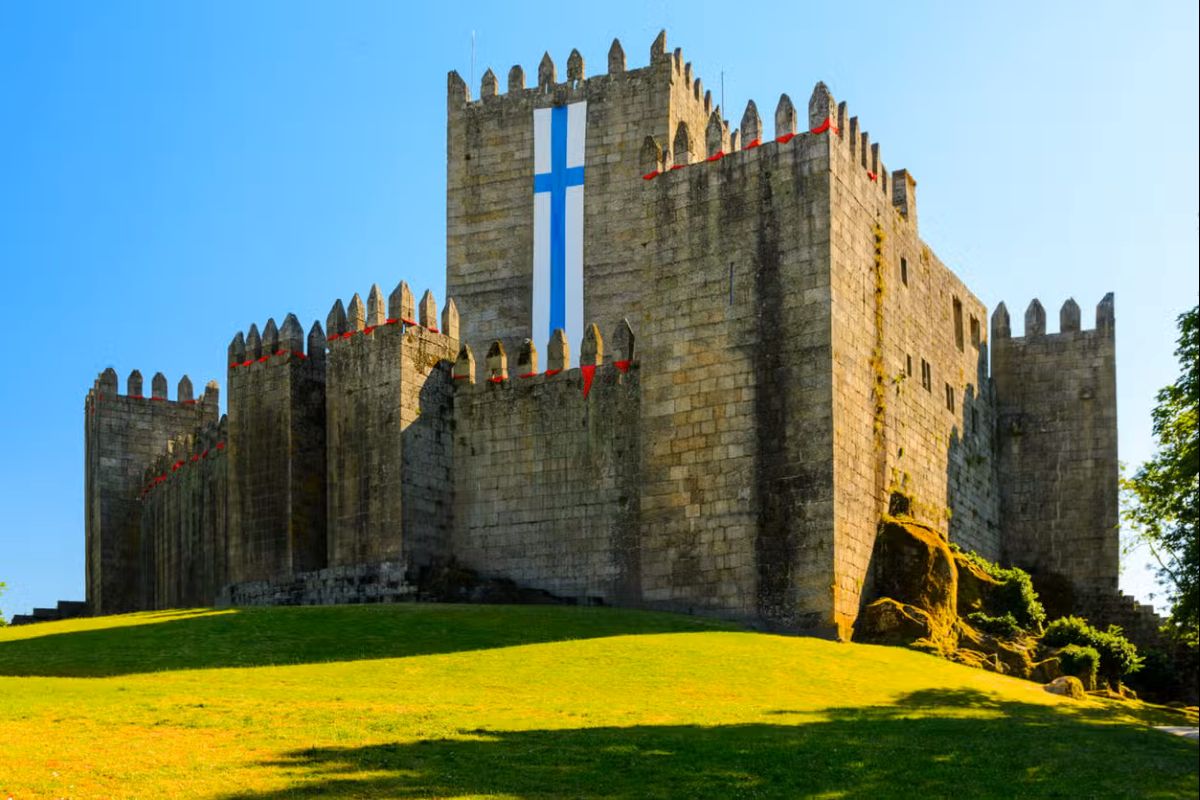
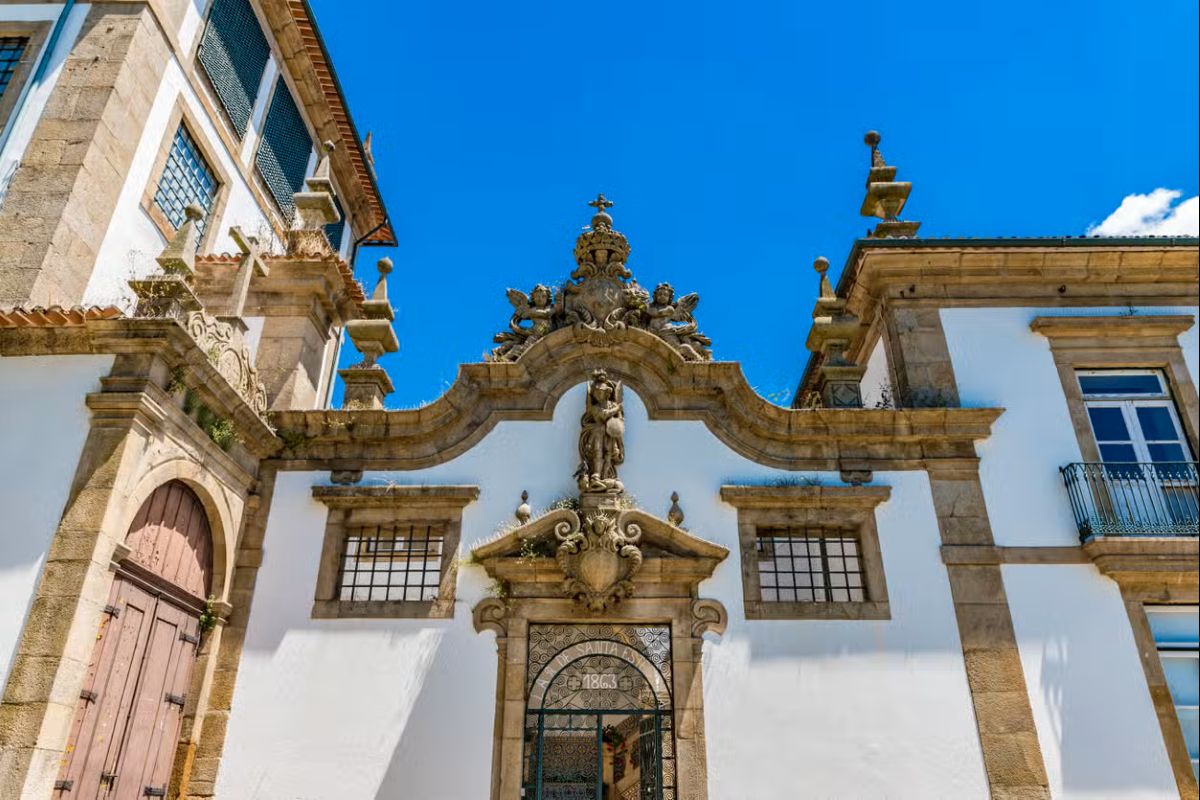
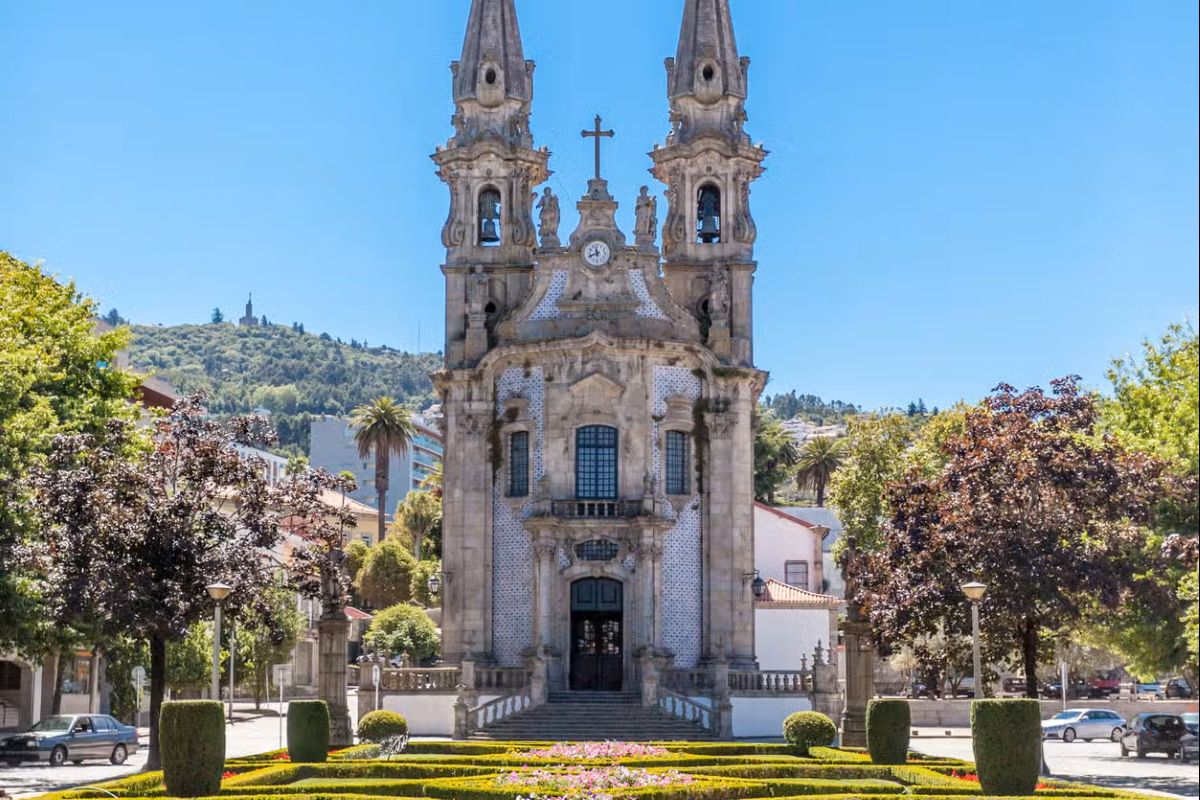
Amarante erstreckt sich entlang des Flusses Tâmega, eines Elements, das Landschaft und Stadtleben tief prägt, eingerahmt von historischen Brücken und Häusern mit Blick aufs Wasser. Die Ponte de São Gonçalo ist das Wahrzeichen der Stadt und erinnert an den Widerstand gegen die napoleonischen Invasionen. Das historische Zentrum bewahrt barocke Kirchen und kopfsteingepflasterte Straßen, die dem Rhythmus des Flusses folgen. Die Stadt ist bekannt für ihre traditionelle Konditorei und für die Figur des São Gonçalo, die mit Volksfesten gefeiert wird. Als Wiege Portugals bekannt, ist Guimarães mit der Entstehung der nationalen Identität verbunden, und sein historisches Zentrum, UNESCO-Welterbe, bewahrt das Areal innerhalb der alten Mauern mit gut erhaltenen mittelalterlichen Bauwerken. Das Stadtgefüge zeichnet sich durch Adelspaläste, Bögen und Granitstraßen aus, die Jahrhunderte der Geschichte widerspiegeln und ein harmonisches, geschlossenes Gesamtbild schaffen. Das Herz der Stadt ist der Largo da Oliveira mit der Stiftskirche Nossa Senhora da Oliveira und dem Padrão do Salado, während die nahen Plätze wie die Praça de Santiago die Atmosphäre der alten Pilgerroute bewahren. Beim Aufstieg zur Burg begegnet man dem Palast der Herzöge von Braganza, der Kapelle São Miguel und der Burg von Guimarães aus dem 10. Jahrhundert, dem Symbol der Geburt Portugals.
Auto
Tag 4 — Guimaraes → Chaves
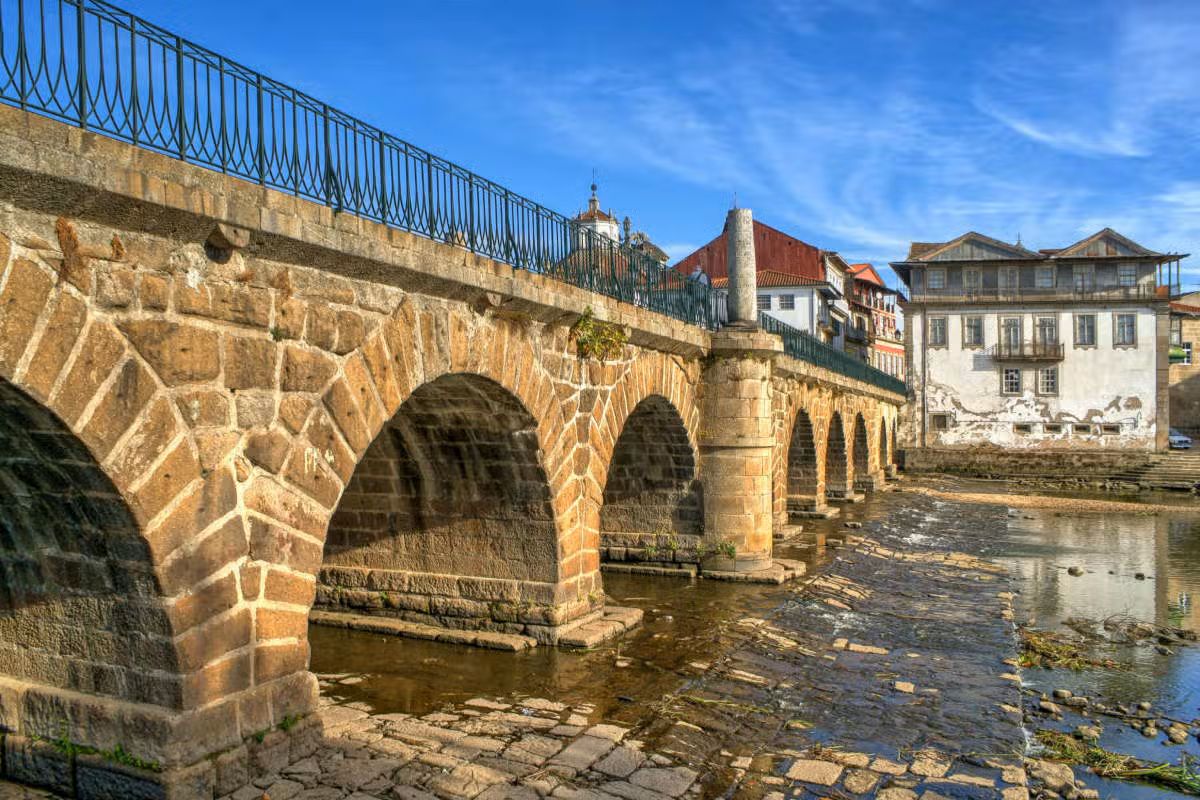
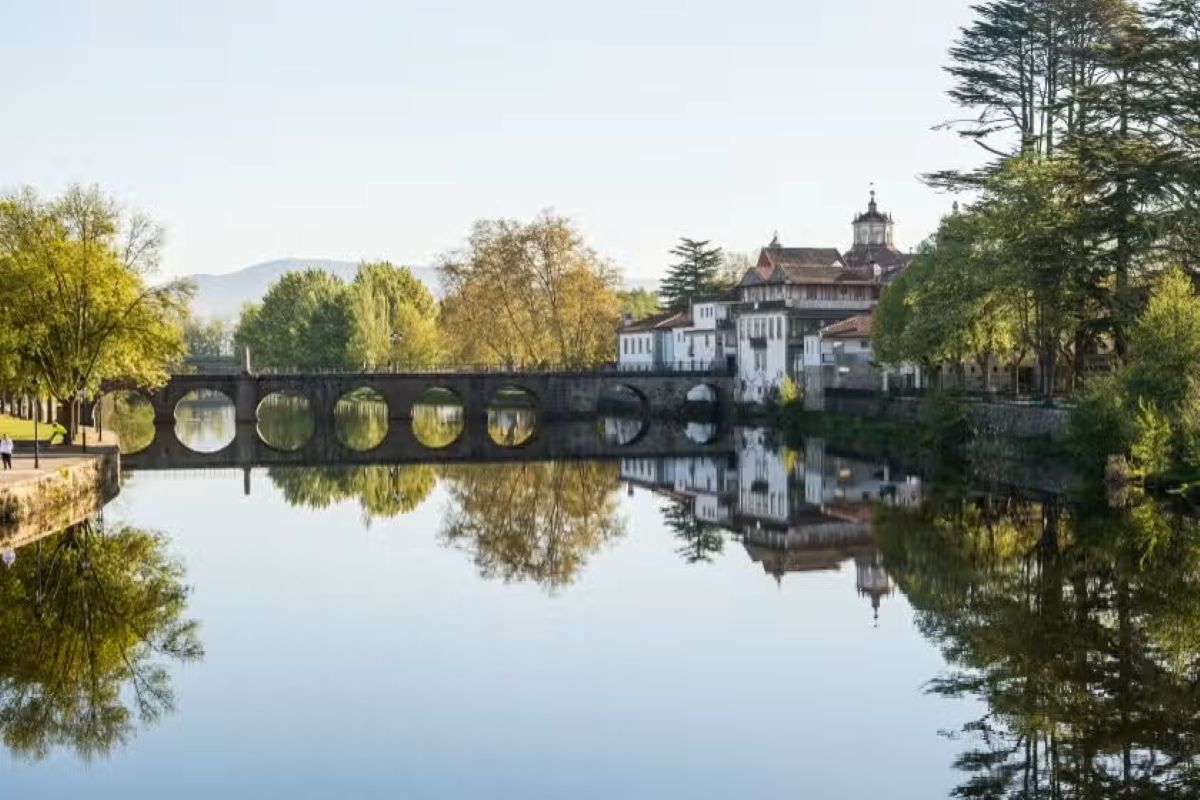
Chaves, am oberen Lauf des Tâmega, unweit der Grenze zu Spanien, war den Römern als Aquae Flaviae wegen seiner Thermalquellen bekannt, die zu den heißesten Europas zählen. Die Stadt bewahrt einen ausgeprägten strategischen Charakter, sichtbar in der Burg, den mittelalterlichen Mauern und der römischen Brücke. Sie war Schauplatz von Widerständen gegen Kastilien und später gegen die napoleonischen Invasionen. Heute ist sie berühmt für die Thermen und für die Gastronomie von Trás-os-Montes, insbesondere für Wurstwaren und geräucherte Schinken.
Auto
Tag 5 — Chaves → Monforte de Lemos and Ribeira Sacra
A monumental town in the south of the province of Lugo, Monforte de Lemos gathers around a hill crowned by the castle keep, a Benedictine monastery and the Parador, from where the gaze sweeps across the Galician countryside. The town is home to the Colegio de Nuestra Señora de la Antigua, nicknamed the "Galician Escorial", which preserves precious works of art, including paintings attributed to El Greco. All around stretches the Ribeira Sacra, one of Spain's most striking wine regions, where the Sil and Miño rivers carve deep canyons terraced with vineyards clinging to vertiginous slopes and dotted with ancient Romanesque monasteries. Between river cruises, heroic wines and breathtaking landscapes, it is an ideal destination for those seeking nature, history and authenticity.
Auto
Tag 6 — Monforte de Lemos and Ribeira Sacra → Lugo
Lugo rises in the green heart of Galicia with its deep Roman roots, renowned for its extraordinary walls, the only ones in the world to preserve their entire Roman circuit and, for this reason, a UNESCO World Heritage Site. Stretching over two kilometres and walkable along their parapet path, the walls embrace a lively historic centre dominated by the Catedral de Santa María and animated by squares and taverns. Founded as Lucus Augusti, the city also holds remains of Roman baths and mosaics, while its culinary tradition of octopus and Ribeira Sacra wines makes it a flavourful stop along the Camino Primitivo. To walk its walls at sunset is to cross two thousand years of history in a single glance.
Auto
Tag 7 — Lugo → La Coruna
A lively seaside resort on the north-western tip of Galicia, where the Atlantic shapes a wind-swept peninsula, La Coruña is a port city famous for the Tower of Hercules, the only Roman-era lighthouse still in operation in the world and a UNESCO World Heritage Site. Its most distinctive feature is the glassed-in galleries of the buildings facing the harbour, which have earned it the nickname "city of glass". The Ciudad Vieja, the old town, holds intimate squares and Romanesque churches such as Santiago and Santa María del Campo. Along the shore stretch the broad urban beaches of Riazor and Orzán, the heart of city life. Renowned for its seafood cuisine and Atlantic atmosphere, La Coruña invites you to wander between ocean, history and light.
Auto
Tag 8 — La Coruna → Santiago de Compostela
Capital of Galicia, Santiago de Compostela is one of the most important sacred cities in Europe, the final destination of the Camino de Santiago walked for centuries by pilgrims from every corner of the world. Its magnificent historic centre, a UNESCO World Heritage Site, is a weave of paved streets, arcades and granite squares, often gleaming with rain. Its beating heart is the majestic Cathedral, a Romanesque masterpiece with its sumptuous baroque Obradoiro façade, which by tradition holds the relics of the apostle James. Around it open solemn squares such as the Praza do Obradoiro and the Praza da Quintana, amid convents, palaces and the ancient university. Its lively streets invite you to discover Galician cuisine, from octopus "a feira" to Albariño wines, set against the vibrant atmosphere of a young, cosmopolitan city. Between spirituality, history and Galician warmth, Santiago welcomes all who arrive as if at the end of a journey.
Auto
Tag 10 — Santiago de Compostela → Vigo
Known for its deep bond with the sea, Vigo is Galicia's most populous city and the region's main port, an ideal base from which to explore the Rías Baixas. Its old heart, the Casco Vello, slopes down to the sea with cobbled lanes, lively squares and markets where you can taste the celebrated oysters of A Pedra. The city is the gateway to the Cíes Islands, a protected archipelago within the Atlantic Islands Maritime-Terrestrial National Park, where Rodas beach stretches between clear waters and sandy dunes. All around, the Rías Baixas alternate sheltered inlets, fishing villages and vineyards of Albariño, Galicia's white wine par excellence, perfect alongside the freshest seafood. Between ocean, flavours and enchanting islands, Vigo invites you to discover the most authentic Galicia.
Auto
Tag 11 — Vigo → Viana do Castelo
An der nordwestlichen Küste des Landes gelegen, wo der Fluss Lima auf den Atlantischen Ozean trifft, verfügt Viana do Castelo über eine privilegierte Lage, geprägt von herrlichen Stränden mit goldenem Sand (Costa Verde), majestätischen Klippen und atemberaubenden Landschaften.
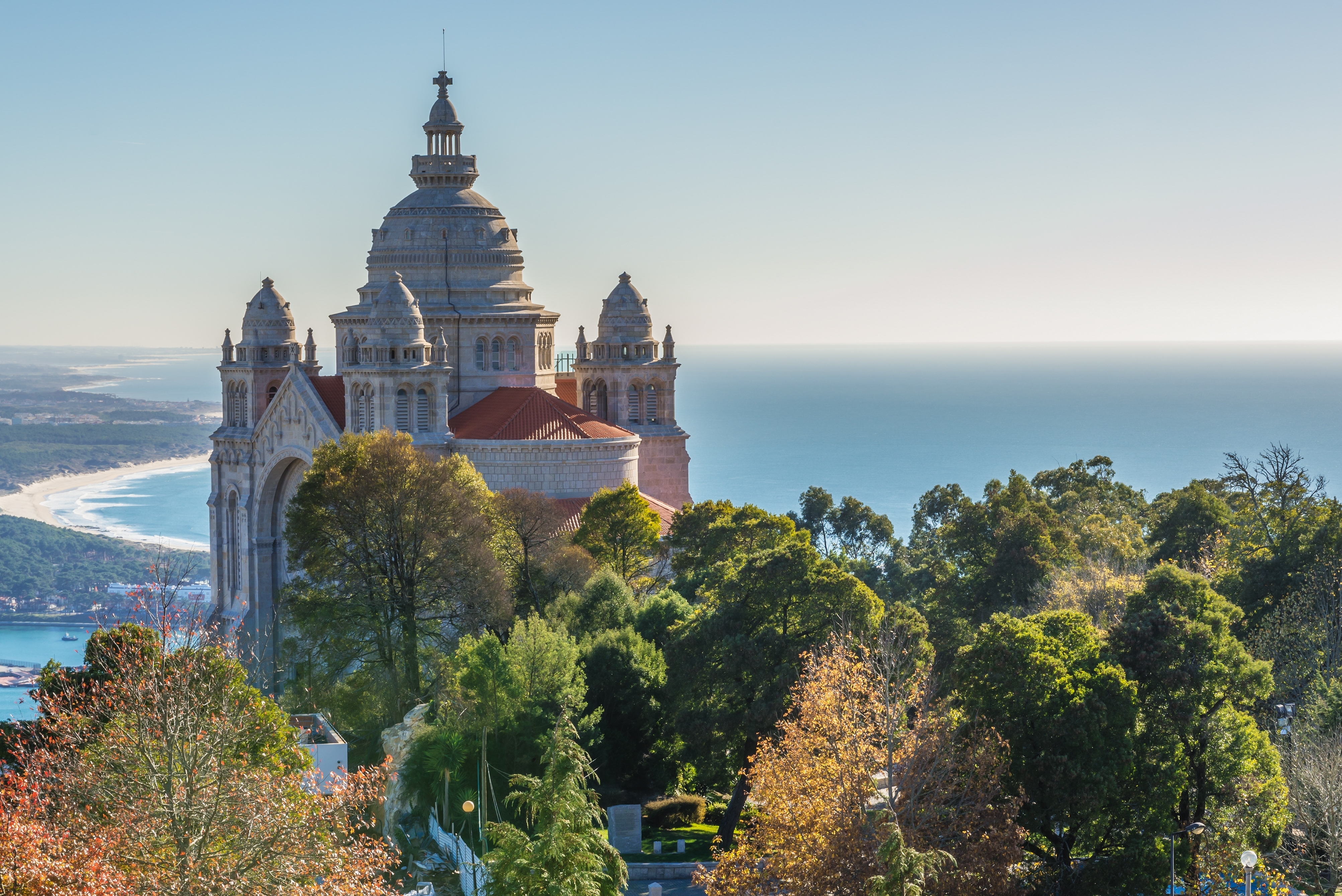
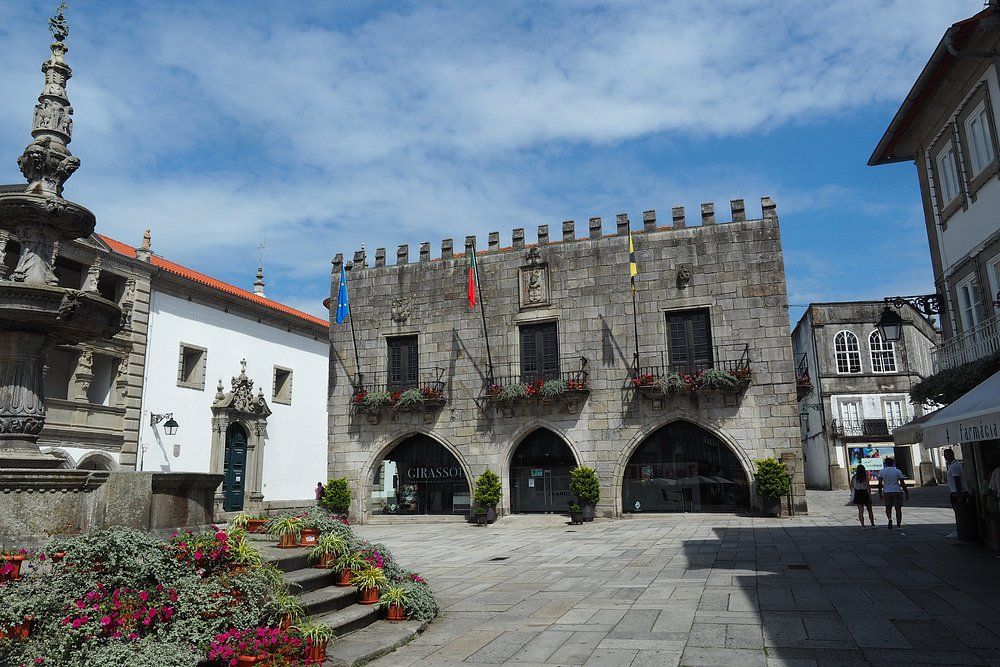
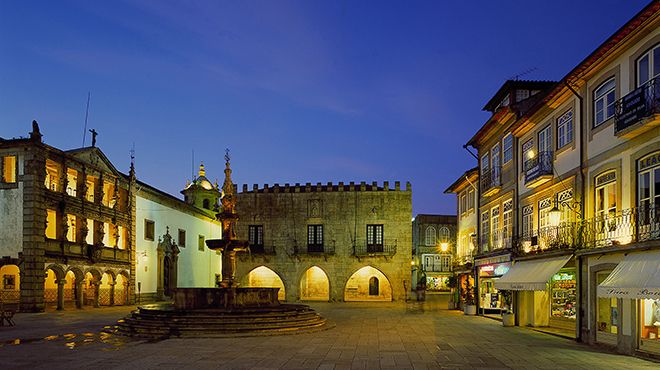
Das Herz der Stadt ist ihre bezaubernde Altstadt, gekennzeichnet durch enge, gepflasterte Gassen, alte, farbenfrohe Gebäude und malerische Plätze. Hier findet man ein reiches historisches und kulturelles Erbe mit Monumenten und emblematischen Bauwerken wie der Basilika Santa Luzia, einer imposanten neuromanischen Kirche auf einem Hügel, die einen Panoramablick über die Stadt und das Meer bietet. Die Hauptstadt des Alto Minho ist auch für ihr traditionelles Kunsthandwerk bekannt, insbesondere für die Herstellung von handgewebten Stoffen, Spitzen und Stickereien, sowie für ihre Gastronomie, die eng mit der alten Seefahrertradition und dem Kabeljaufang (Bacalhau) verbunden ist.